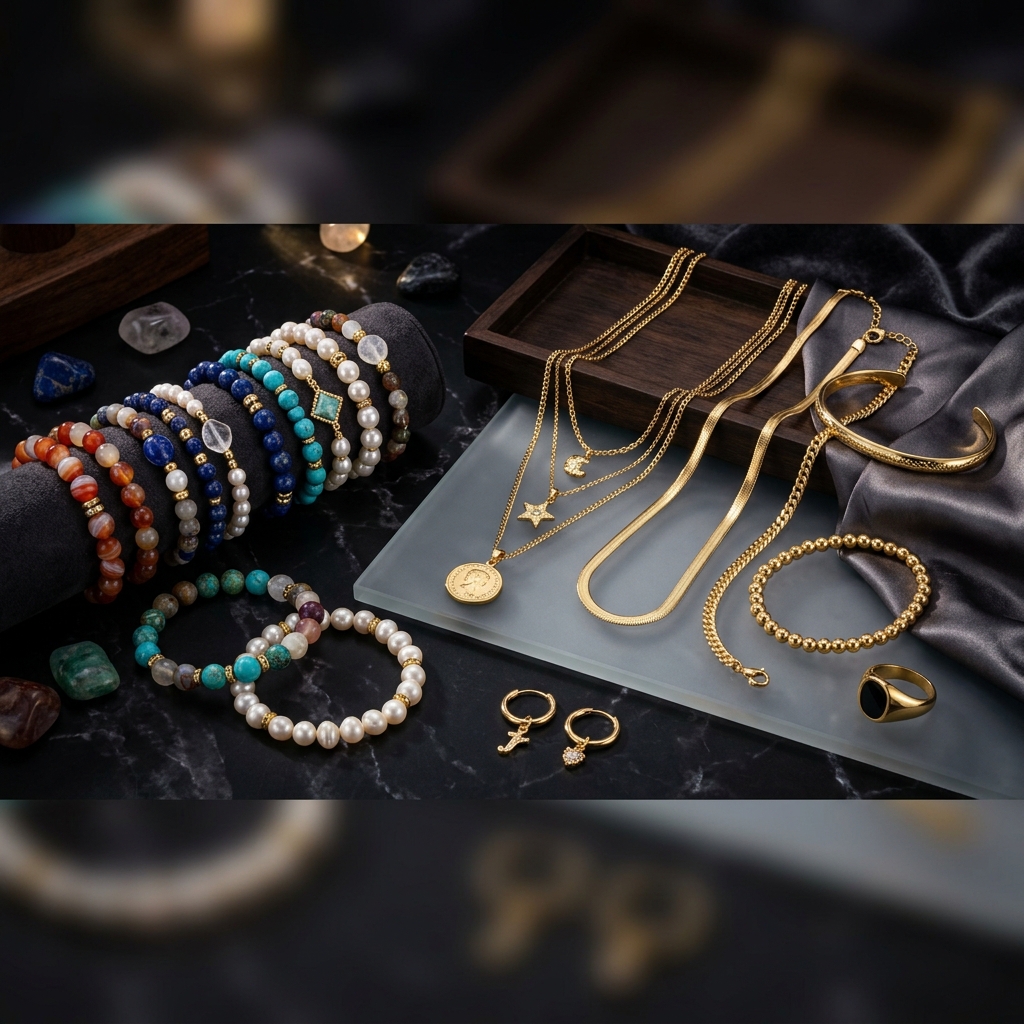
Waterproof jewellery is one of the most searched terms in Indian fashion — and one of the most misused. Let's set the record straight.
What Does 'Waterproof Jewellery' Actually Mean?
Strictly speaking, no jewellery is 100% waterproof forever. What people really mean is water-resistant — jewellery that can handle everyday moisture (washing hands, a light rain, sweat) without tarnishing, rusting, or losing its finish.
The key factor is the base metal. Stainless steel (especially SS 304/316 grade) is inherently corrosion-resistant and won't rust when exposed to water. Brass and copper, common in cheaper jewellery, will corrode and turn skin green when exposed to moisture regularly.
The Indian Climate Challenge
India's humid climate — especially in coastal cities like Mumbai, Kochi, Chennai, and Kolkata — is brutal on low-quality metals. The combination of heat, humidity, and sweat accelerates tarnishing dramatically. This is why anti-tarnish, water-resistant materials are not a luxury in India — they're a necessity.
What You Can and Can't Do With Anti-Tarnish Jewellery
✅ Safe: Washing hands, light rain, sweating during daily activities, quick shower splash
⚠️ Caution: Extended swimming (especially pool water with chlorine), hot tub or sauna use
❌ Avoid: Leaving jewellery in direct contact with sunscreen, chemical cleaners, or nail polish remover
Why Tesoro Savia Uses SS 304/316
SS 304/316 stainless steel is the same material used in high-grade kitchen equipment, surgical tools, and marine applications. It has exceptional resistance to rust, corrosion, and chloride exposure. For daily-wear jewellery in the Indian climate, it's the most sensible choice at an accessible price point.
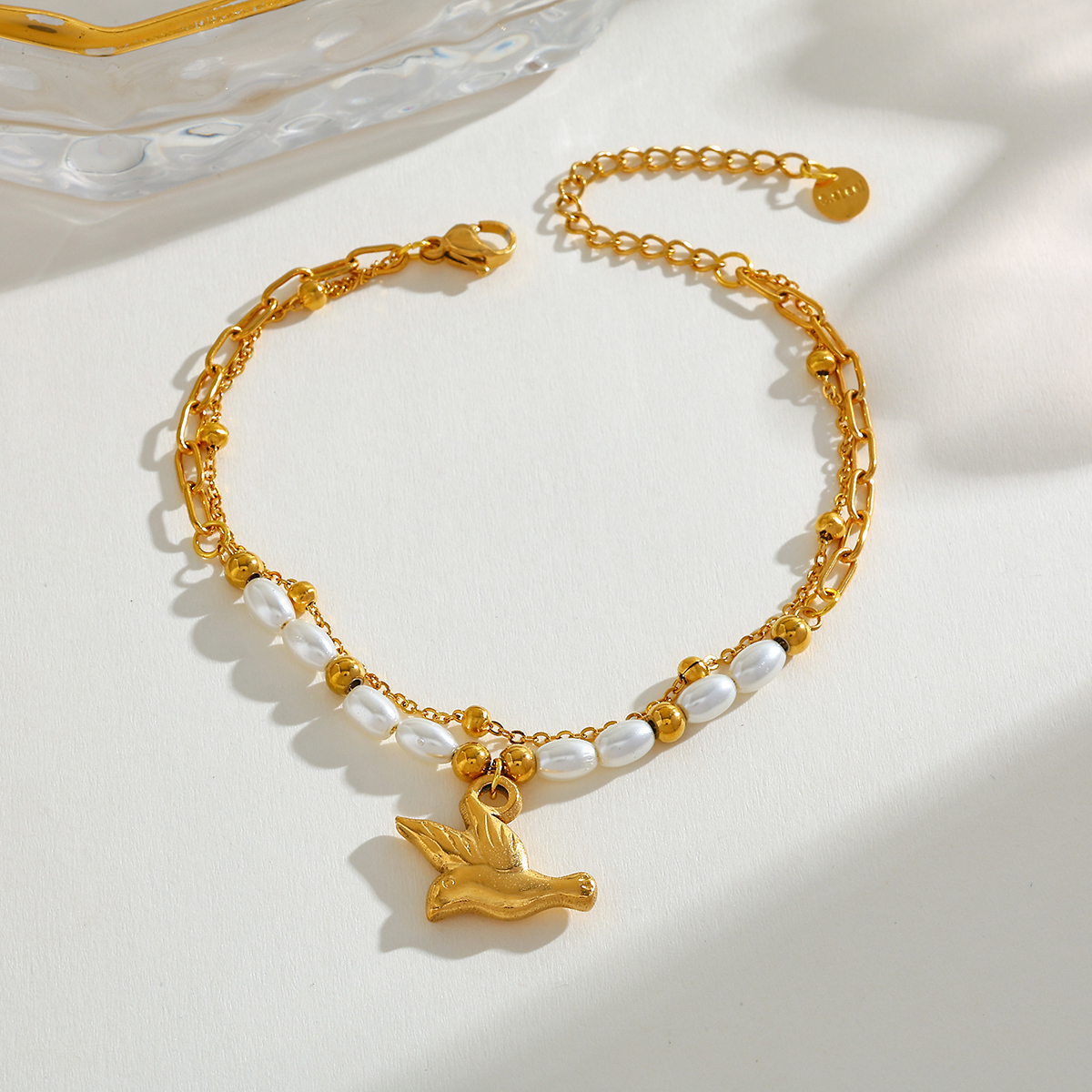
When combined with 18K gold plating that's applied to our exacting standards, you get jewellery that genuinely earns the 'anti-tarnish' label. Explore our Anti-Tarnish Collection and feel the difference.
Shop the Look & Craftsmanship

Subscribe to our VIP Newsletter
Get exclusive style guides, secret discount codes, and early access to drops.